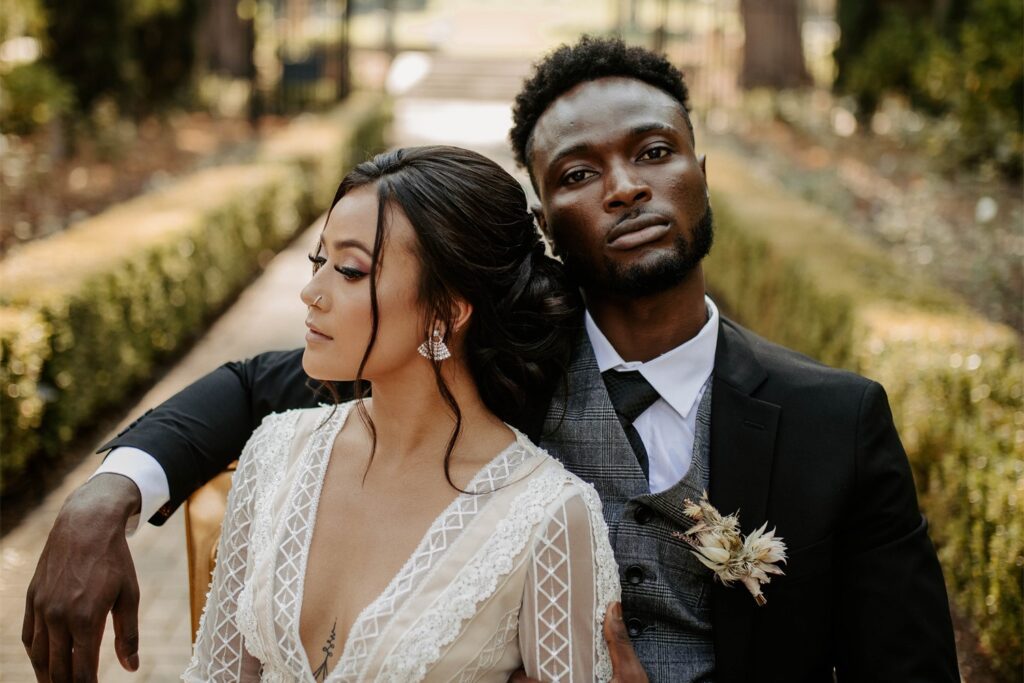

Chinedu and Amaka had been dating for five years when they finally agreed to get married. Both families were happy, and the preparations began almost immediately. There were discussions about the introduction, traditional wedding, church ceremony, clothes, food, photography and the number of guests to invite.
Chinedu had saved some money, but most of it was going towards the wedding. Amaka also had savings, although she hoped to keep part of hers for setting up their home. By the time they started calculating rent, furniture, food and other expenses after the wedding, they realised that having enough money for the ceremony was not the same as being financially ready for marriage.
Their situation is not unusual. Many couples spend months preparing for a wedding but give surprisingly little attention to the first six months of married life.
So, how much should you actually save before getting married? The honest answer is that there is no single amount that works for everybody. Your income, location, housing arrangements, family responsibilities and expectations will determine how much you need.
1. Start With the Cost of Your Life Together
Before deciding how much to save, consider what your everyday life will look like after the wedding.
Will you be renting an apartment in Enugu, Lagos or Abuja? Will you live in a family house temporarily? Will both partners be working, or will one person initially carry most of the household expenses?
These questions matter because a couple moving into an unfurnished apartment will need considerably more money than a couple who already have accommodation and basic household items.
For example, a couple planning to rent their first apartment may need money for rent, agency and agreement fees where applicable, basic furniture, kitchen equipment, transport and groceries. They should also account for electricity, water, internet and other recurring bills.
Write down the expenses you expect to face during your first three to six months together. Use actual prices from your intended location rather than relying on figures from friends whose circumstances may be different.
2. Separate Wedding Money From Marriage Money
One common mistake is treating every naira saved for marriage as money available for the wedding.
Suppose you and your partner have saved ₦3 million. If you spend ₦2.7 million on the ceremony, clothes, entertainment and other preparations, you will have only ₦300,000 left for everything that follows.
That remaining amount may disappear quickly if you still need to pay rent, buy essential household items and stock the kitchen.
A better approach is to divide your savings into separate categories: wedding expenses, accommodation and household setup, emergency savings, and money for immediate living expenses.
Decide how much you can comfortably spend on the wedding after accounting for these other needs. If the budget is insufficient, consider reducing the size of the celebration rather than using all your savings to maintain appearances.
3. Build an Emergency Fund Before the Wedding
Life does not always follow the plans you make before marriage. A partner may lose a job, salary payments may be delayed, a family member may need urgent assistance, or an unexpected medical or household expense may arise.
This is why couples should aim to have emergency savings separate from the money intended for the wedding.
A practical starting target is enough to cover at least three months of essential household expenses. Couples with irregular income, dependants or only one earning partner may need a larger cushion if they can afford to build one.
For example, if your combined essential expenses are ₦300,000 monthly, three months of expenses would amount to ₦900,000. This is an illustration, not a fixed requirement for every couple.
If you cannot reach that target immediately, do not assume you must abandon your plans. Start with what is achievable, continue saving and be honest about the financial risks you are accepting.
4. Calculate a Realistic Savings Target
Here is a simple example of how a couple might estimate the money required before marriage.
| Expense | Illustrative amount |
|---|---|
| Wedding and family ceremonies | ₦1,000,000 |
| Rent and initial housing costs | ₦800,000 |
| Essential household items | ₦400,000 |
| Initial living expenses | ₦300,000 |
| Emergency savings | ₦900,000 |
| Total target | ₦3,400,000 |
These figures are examples only, not current market prices or a recommendation that every Nigerian couple must save ₦3.4 million. Actual costs can be much lower or considerably higher depending on the city, rent, family arrangements and wedding plans.
The useful part is the method. Replace each figure with realistic estimates for your circumstances, then calculate the total.
If you already have accommodation, furniture or some emergency savings, your target may be lower. If you have children, dependants or significant debts, you may need to plan for additional expenses.
5. How Much Should You Save Each Month?
Once you know your target, work backwards from your intended wedding date.
Imagine that you and your partner need ₦2.4 million and currently have ₦600,000 saved. Your remaining target is ₦1.8 million.
If you have 12 months before the wedding, you would need to save ₦150,000 monthly between you, assuming no investment returns and no changes in the target. If you have only six months, the required monthly savings would rise to ₦300,000.
This calculation can reveal whether your current plan is realistic. You may need to extend the timeline, increase your savings, reduce wedding expenses or make other adjustments.
Do not build a budget around money you hope to earn from a business that has not started making consistent income, a promotion you have not received or a loan you have not secured. Plan around money you can reasonably expect to have.
6. Talk About Money Before You Get Married
Saving is important, but financial honesty is equally important.
Before the wedding, discuss your salaries, debts, savings, family obligations, spending habits and expectations about who will pay for what. A person supporting younger siblings or elderly parents, for example, may have less disposable income than their salary suggests.
You should also discuss how you will handle joint expenses, personal spending, savings and financial emergencies. There is no single arrangement that works for every couple, but both partners should understand the plan and agree on it.
Avoid judging readiness by salary alone. A couple earning a combined ₦500,000 monthly with manageable expenses and a clear savings plan may be better prepared than a couple earning more but carrying heavy debts and spending without a budget.
7. Do Not Borrow Just to Impress Wedding Guests
In many Nigerian families, weddings are not treated as private events between two people. Parents, relatives and friends may have expectations about the venue, food, clothing and number of guests.
Some of these expectations are understandable, but they can also make couples spend beyond their means.
Borrowing heavily to organise an elaborate celebration can leave a newly married couple paying off wedding expenses while struggling to cover ordinary household bills. That is a difficult way to begin a new stage of life.
A smaller wedding does not mean the marriage is less meaningful. If you cannot comfortably afford a particular venue, guest list or set of ceremonies, consider alternatives that allow you to celebrate without sacrificing your financial stability.
The people who attend your wedding will eventually return to their own lives. You and your partner will be the ones managing the bills afterwards.
You Need a Plan, Not a Perfect Bank Balance
There is no magic amount of money that guarantees a successful marriage. Some couples begin with modest savings and gradually build a stable life, while others have substantial income but struggle because they do not communicate or manage money well.
What matters is knowing the cost of the life you intend to build, keeping wedding expenses under control, preparing for emergencies and being honest about what you can afford.
If you are planning to get married, sit down with your partner and calculate the numbers together. You may discover that you can proceed sooner than expected, or that postponing the wedding for a few months would give you a much stronger financial foundation.
The goal is not to enter marriage with everything already figured out. It is to begin with your eyes open, a realistic plan and enough financial breathing room to handle the ordinary challenges that life will bring.
