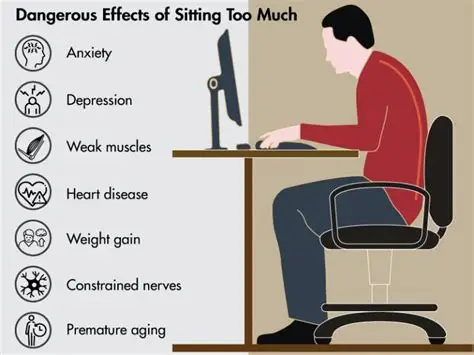

Sitting seems harmless because it does not feel physically demanding. But spending large parts of the day sitting at a desk, driving, watching television or using a phone can reduce the amount of movement your body gets.
This type of low movement is known as sedentary behaviour. The World Health Organization defines it as waking activities involving very little energy expenditure, including sitting, reclining or lying down.
Why Too Much Sitting Can Be a Problem
Your body is designed to move regularly. When much of the day is spent sitting, overall physical activity can decrease.
WHO reports that higher amounts of sedentary behaviour in adults are associated with increased risks of cardiovascular disease, cancer and type 2 diabetes.
This does not mean that sitting for a short period is dangerous. The concern is spending long periods of the day with very little movement.
It Can Affect Your Daily Movement
Someone may exercise for 30 minutes but still spend most of the remaining day sitting.
For example, a person might:
- Sit at a computer for several hours
- Drive to work
- Sit during meetings
- Sit while eating
- Watch television in the evening
These periods can add up to a large amount of sedentary time.
Regular exercise is still valuable, but it does not necessarily eliminate the effects of spending the rest of the day inactive. WHO recommends limiting sedentary time and replacing some of it with physical activity whenever possible.
Your Muscles Get Less Work
Sitting requires much less muscular activity than walking, standing or performing many everyday tasks.
When sitting becomes the default position for most activities, opportunities to move throughout the day disappear.
Simple activities such as walking around the house, taking the stairs, doing household chores or walking to nearby destinations can add more movement to your day.
Long Periods of Sitting Can Affect Metabolic Health
Sedentary behaviour is associated with several health problems, including type 2 diabetes and cardiovascular disease.
This is one reason reducing sedentary time is important even for people who are not trying to lose weight.
Physical activity also has broader health benefits. WHO reports that regular physical activity helps reduce the risk of cardiovascular disease, type 2 diabetes and several cancers while supporting mental health and overall well-being.
You Don’t Need to Exercise All Day
Reducing sitting does not mean spending hours in the gym.
Small changes can create more movement during the day.
You could:
- Stand up during long periods of computer work
- Walk around during phone calls
- Take short walking breaks
- Use stairs when practical
- Walk while doing simple errands
- Move around during television breaks
- Do household activities instead of remaining seated
A systematic review published in 2023 found evidence that breaking up prolonged sedentary periods with short periods of movement may be beneficial, although the precise amount and timing of breaks can vary.
How Much Exercise Do Adults Need?
WHO recommends that adults get at least 150 minutes of moderate-intensity physical activity per week, or 75 minutes of vigorous activity, with additional benefits from doing more.
You can spread this activity throughout the week rather than doing it all at once.
The important point is that exercise and reducing sitting are related but not identical goals. Getting regular physical activity while also finding ways to spend less time sitting can provide broader health benefits.
A Simple Change to Start With
If you spend most of your day sitting, don’t try to change everything immediately.
Start by identifying your longest uninterrupted sitting periods.
If you normally sit for several hours while working, add short movement breaks. Walk around, stretch gently or simply stand for a while before returning to your task.
Over time, these small changes can help make movement a more regular part of your day.
Sitting is a normal part of modern life. The problem is not sitting itself, but allowing it to replace most of the movement your body needs throughout the day.